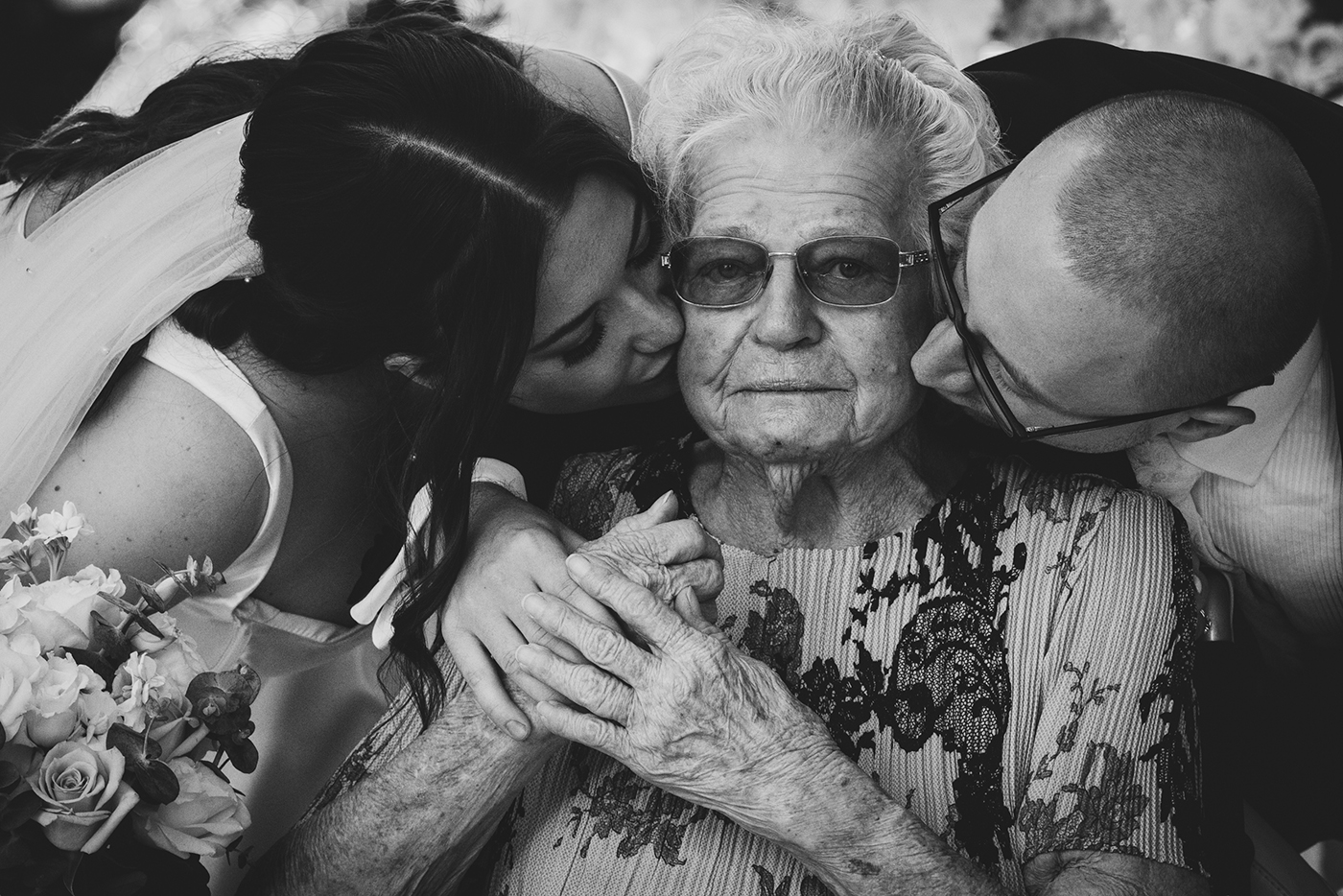
Many couples assume they have to choose between real, emotional moments and beautiful portraits they'll actually want to hang on the wall. They don't.
In fact, that idea is something of a myth - a false choice that's somehow worked its way into how people think about wedding photography. You don't have to sacrifice authenticity for beauty, or beauty for authenticity. When editorial documentary photography is paired with a genuine cinematic sensibility, you get something neither approach could produce on its own: a wedding gallery that's both deeply real and genuinely stunning.
That's what I mean by editorial documentary with a cinematic touch. And it's the approach I've spent 26 years perfecting.
The Myth of the Either/Or Choice
Wedding photography has often been presented as a spectrum with "traditional posed" at one end and "pure documentary" at the other - and couples are told to pick a point somewhere along that line.
But here's what that framing misses: the most extraordinary wedding galleries aren't built from one approach or the other. They're built from a photographer who knows when to be invisible and when to step in with intention. Who understands that real emotion and beautiful composition aren't opposites - they're partners.
Pure documentary coverage alone can leave you with galleries that feel a little raw and uneven - wonderful in their honesty, but missing the images that make your breath catch when you see them on a wall. And pure portraiture alone, however beautiful, can feel disconnected from the real experience of your day - polished images that somehow don't feel like you.
The editorial documentary approach with a cinematic touch solves both problems at once.
What "Editorial Documentary" Really Means
Editorial documentary photography draws on two traditions simultaneously.
From documentary photography, it inherits the commitment to authenticity - to capturing real moments, real emotion, and real people exactly as they are, without engineering the scene or manufacturing the feeling.
From editorial photography - the world of fashion, magazine spreads, and high-end portraiture - it brings intention, composition, and visual storytelling. The ability to see a frame not just as a record of what happened, but as a statement about how it looked and felt.
The result is photography that feels real, but is also beautifully constructed. Images that look like they belong in a magazine and like they belong to your story.
This is a more demanding discipline than either pure approach. It requires the technical skill to create editorial portraiture, the observational instincts of a documentary photographer, and the judgement to know which mode each moment calls for - sometimes within seconds of each other.
What "Cinematic Touch" Adds to the Mix
Cinematic photography borrows its visual language from film - from the way great directors of photography light a scene, frame a subject, and find the composition that carries emotional weight beyond what words could say.
A cinematic approach means caring deeply about light: the quality of it, the direction of it, the way it falls across a face or a dress or a landscape. It means thinking about colour, tone, and mood as intentional choices rather than incidental results. And it means approaching portraiture the way a film still photographer would - not just recording what's in front of you, but composing it.
On a wedding day, this translates into portrait sessions that feel more like a scene from a beautiful film. Golden hour light spilling across your faces on a hillside. A stolen moment in a darkened corridor, lit by a single window. The ceremony frames that look dramatic and alive, not formulaic or ticked off a shot list.
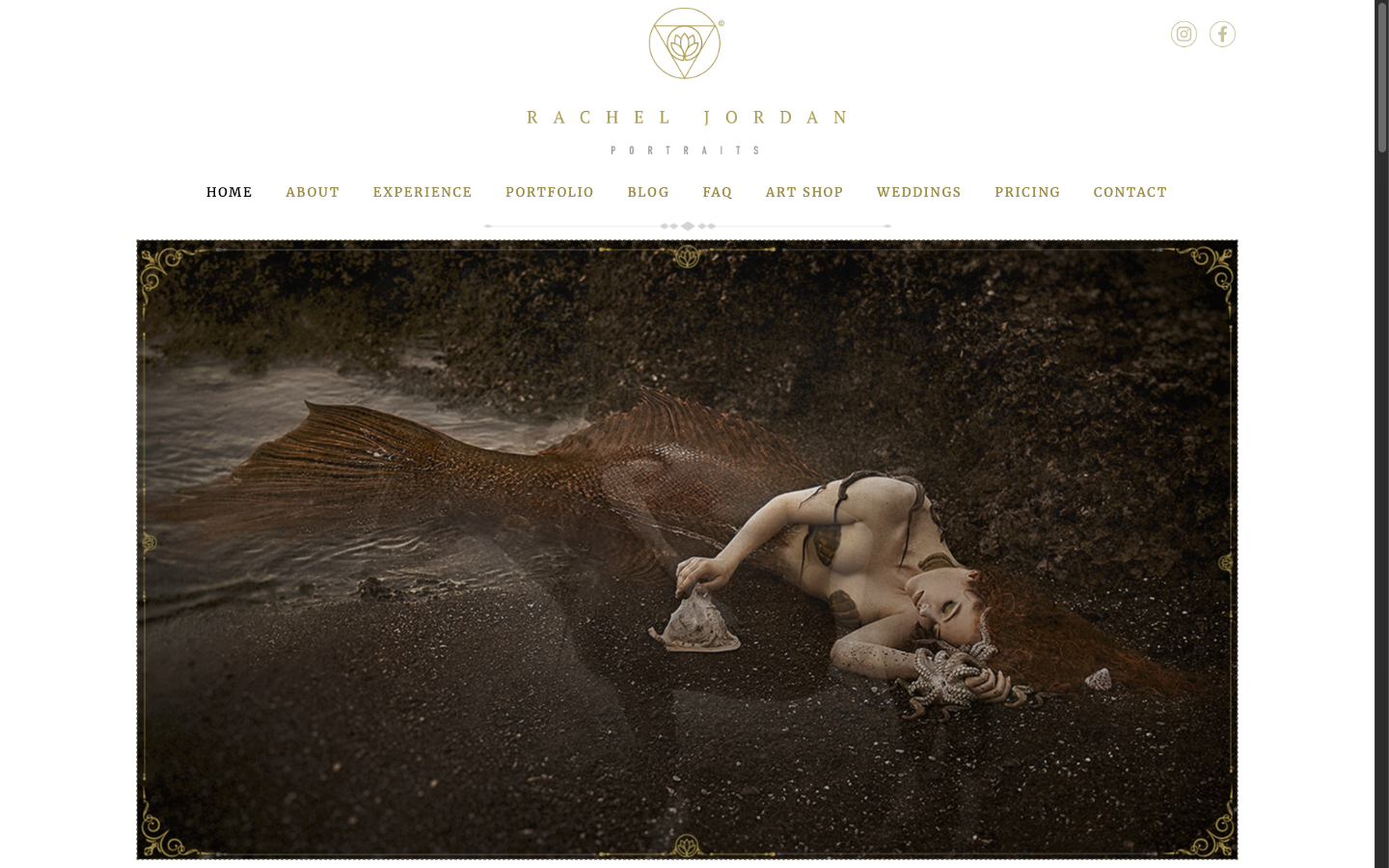
Sometimes the cinematic touch goes further - into the genuinely unexpected. Rachel loves using atmospheric techniques to create something you simply won't find in a standard wedding gallery: dramatic smoke effects that wrap a portrait in something ethereal and otherworldly, off-camera lighting setups that sculpt a scene rather than just illuminate it, and other creative tools that push a session from beautiful into extraordinary. These aren't gimmicks - they're deliberate choices made when the couple and the setting call for something a little out of the ordinary. Not every wedding needs it. But when it fits, the results are unlike anything else.
This is the cinematic touch. It elevates the images that are meant to be elevated, while the documentary work does its quiet, essential job around them.
How the Two Approaches Work Together on Your Day
In practice, here's roughly how a full editorial documentary day with cinematic touch looks:
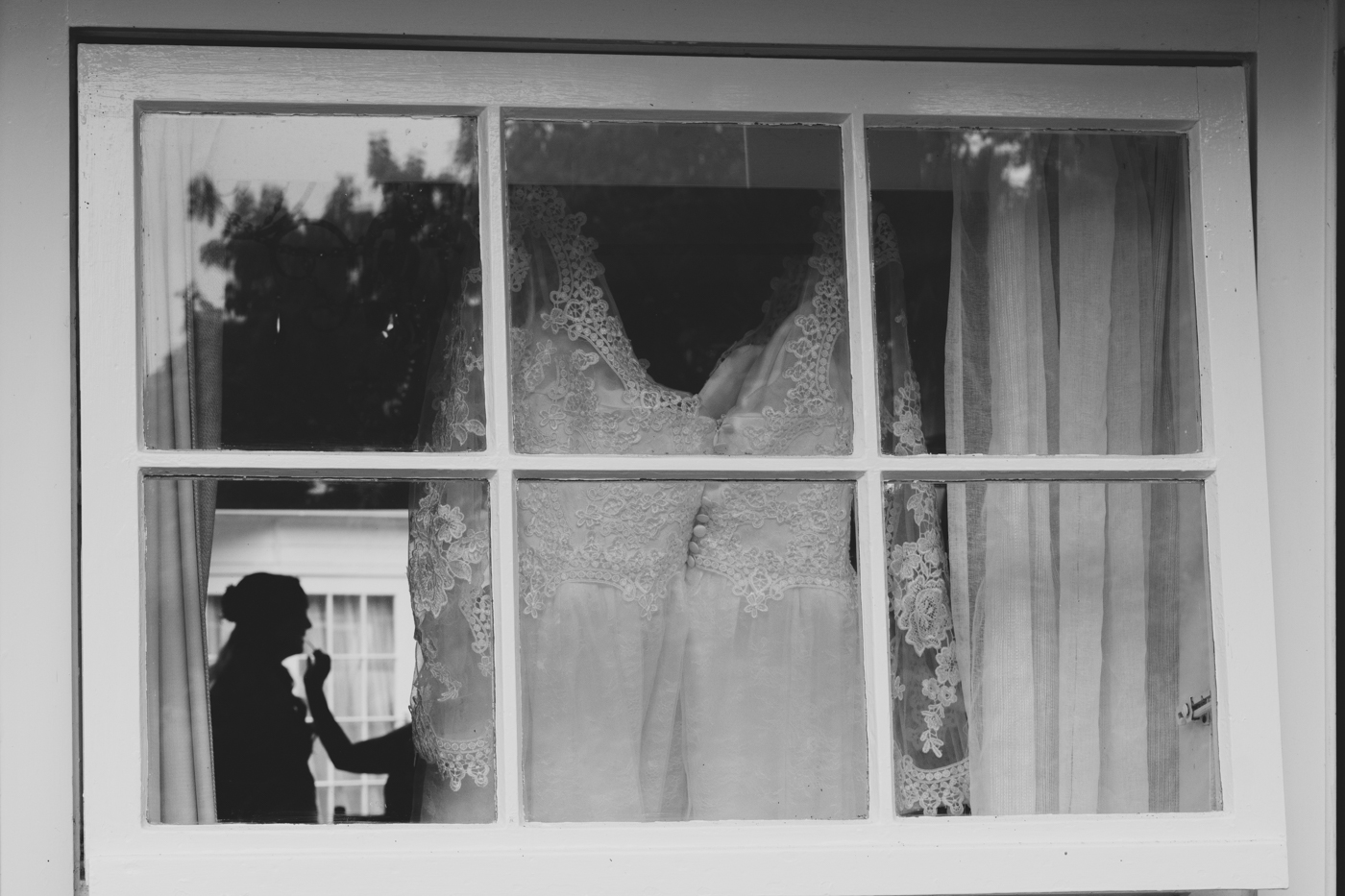
The vast majority of the day is editorial documentary. From bridal prep through to the reception, I'm in observation mode - moving through the day as unobtrusively as possible, reading the room, watching for emotion, and responding to what's unfolding rather than directing it. This is where the unexpected frames happen. The ones no one knew were being taken.
The creative portrait session is where cinematic comes in. Usually around golden hour - that magical window of soft, warm light in the late afternoon - we'll carve out 20 minutes to 1.5 hours for a dedicated creative session. This is where I'll give you gentle, purposeful direction: move here, look there, lean into each other like that. I bring a real understanding of feminine energy and how to make you look and feel beautiful - a skill honed over years. Not stiff, not formal, not a production - just enough to let us make the most of beautiful light and give you images that are quietly breathtaking.
The ceremony and key moments get both. During the ceremony, I'm predominantly documentary - watching, waiting, positioned for the emotion. But I'm also thinking cinematically about the light, the frames within frames, the compositions that will make those moments look as powerful as they felt.
The transitions between modes are seamless - or at least that's the aim. By the time most couples see their galleries, they often can't quite tell which moments were observed and which were gently composed. That's exactly as it should be.
Why This Balance Produces Better Galleries
The reason this combined approach produces such extraordinary galleries comes down to one thing: it covers the full emotional range of your day.
Your wedding isn't just soft golden hour light and cinematic portraits. It's also messy and surprising and funny and tender in ways that can't be planned. And it's both of those things simultaneously, often within minutes of each other.
A gallery built on documentary observation alone captures the real - but may leave you wishing for more of the beautiful. A gallery built on portraits alone gives you the beautiful - but may leave you feeling like you're looking at someone else's wedding.
The editorial documentary approach with cinematic touch gives you the laugh that happened just before the portrait. The tear that fell just after the vow. The quiet moment between the dances that nobody else saw. And the stunning golden hour image that looks like it was taken for a magazine spread.
Together, they tell the complete story.
The Creative Portrait Session: What to Expect
One thing I hear from couples sometimes is a bit of nervousness about the portrait session - the worry that it'll feel awkward, staged, or like a school photo day with better lighting.
I get it. I've seen portrait sessions that feel exactly like that, and they produce exactly the images you'd expect.
Here's what mine look like instead.
I tend to give direction through movement rather than poses. "Walk slowly toward me" produces better images than "stand here and look at each other." I'll suggest a location that I've already clocked as having beautiful light or an interesting background. I'll tell you where to put your hands, but I won't make you hold them there stiffly while I fire off forty frames.
Mostly, I want you talking, laughing, or just being. I'll be working around that.
The best portrait sessions feel like a brief wander with your favourite person, while someone quietly photographs you looking your best. By the time most couples finish, they've forgotten I was there.
That's the cinematic editorial portrait session done right.
A Note on Film and Tone
Part of what gives photography a genuinely cinematic quality is the way it's processed and toned - the colour palette, the contrast, the way shadows fall and highlights hold.
My editing approach is rooted in a filmic aesthetic: warm shadows, gentle highlights, and a tonal quality that feels more like a film still than a digital photograph. It's not a heavy-handed filter - it's a considered choice about how colour and tone contribute to the emotional register of an image.
This consistency across a gallery is part of what makes it feel like a body of work rather than a collection of individual photographs. When you flip through your wedding gallery, it should feel like watching a film of your day - coherent, atmospheric, and unmistakably yours.
Frequently Asked Questions About Editorial Documentary with Cinematic Touch
How long does the creative portrait session take? Anywhere from 20 minutes to 1.5 hours, depending on the timeline and the light. I'll help you build this into your day plan so it doesn't feel rushed or like it's eating into your time with guests.
What if we're not comfortable in front of a camera? Most couples say exactly this - and then look at their portrait images in disbelief. The key is that I'm not asking you to perform anything. I'm asking you to be together, in a beautiful place, with good light. The rest takes care of itself. I'll guide you gently through anything that needs direction.
Do you always shoot at golden hour? Golden hour is the ideal, and I'll always plan around it when the timeline allows. But I've shot stunning creative sessions in overcast light, dappled forest shade, and indoors by a window. Good light is found everywhere. Golden hour is just particularly kind.
Can we skip the portrait session if we really don't want it? Of course. Some couples want a fully documentary day with no dedicated portrait time, and I'm completely comfortable with that. We'll have a conversation about what you want beforehand so the day reflects your preferences.
How do documentary and editorial portraits look different in the final gallery? In the best galleries, they're almost seamlessly integrated - which is the goal. Documentary frames tend to have more motion, wider contexts, and captured expressions. Editorial portraits tend to be more composed, more intimate, and more intentional about light. But both are grounded in the same visual philosophy, so they belong together naturally.
Closing Thoughts
The phrase "editorial documentary with a cinematic touch" might sound like marketing language. But for me, it describes something genuinely specific: a way of working that refuses to treat authenticity and beauty as mutually exclusive.
Your wedding day has both. It has raw, real, unexpected moments of profound emotion - and it has the dress, the light, the landscape, the love story that deserves to look extraordinary on a wall.
You shouldn't have to choose which one your photographer captures.
The work I'm proudest of is the galleries where couples can't quite put their finger on why they love an image so much - only that it feels true and beautiful at the same time. That's the sweet spot. That's editorial documentary with a cinematic touch.
And honestly? That's the only kind of wedding photography I know how to do.
Rachel Jordan is a 5x Master of Photography, Sony Alpha Wedding Photographer of the Year 2025, and founder of Two Little Starfish, award-winning wedding photographers offering editorial documentary with a cinematic touch, based in Kerikeri, Bay of Islands, Northland, New Zealand. Rachel photographs weddings throughout New Zealand and internationally.
View the Wedding Portfolio → | Bay of Islands Wedding Photography → | Russell Wedding Photography → | Paihia Wedding Photography → | Kerikeri Wedding Photography → | Northland Wedding Photography → | Get in Touch →